UNCHARTED — The Unlikely Voyage of Aurora, Season 1
17 January 2026

UNCHARTED - The Unlikely Voyage of Aurora - Season 1
18/01/2026
UNCHARTED - The Unlikely Voyage of Aurora - Season 1
Binge on the complete (updated) Season One in one hit!

Episode 1: “Start Line”
Our new series opens on Sydney Harbour at the start of the Sydney–Hobart Race. While serious sailors battle it out, Gregor, Marit and Lily watch from a spectator boat, wine glasses in hand, idly toying with a “bit of a crazy idea”: what if they just… bought a boat?
They do.
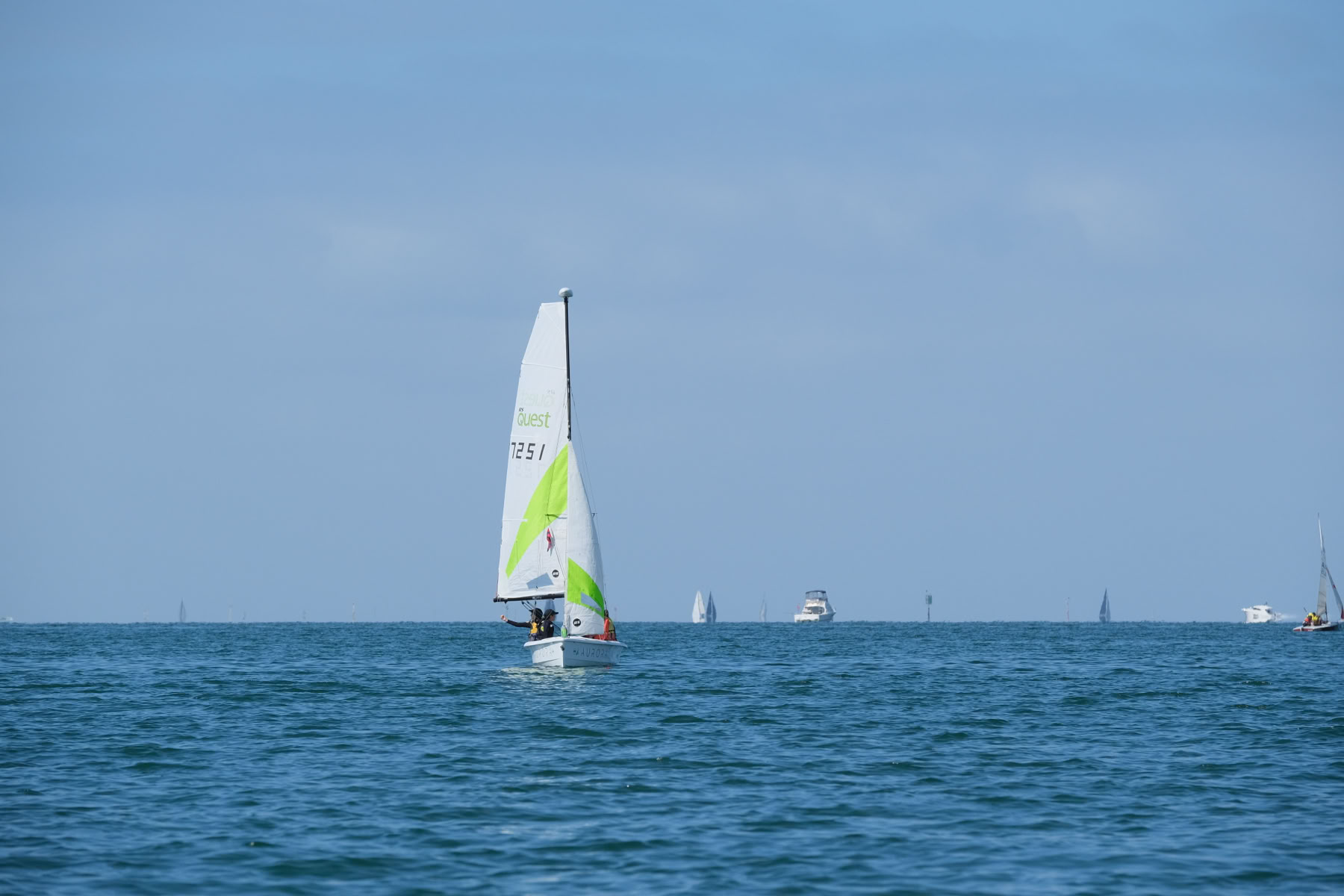
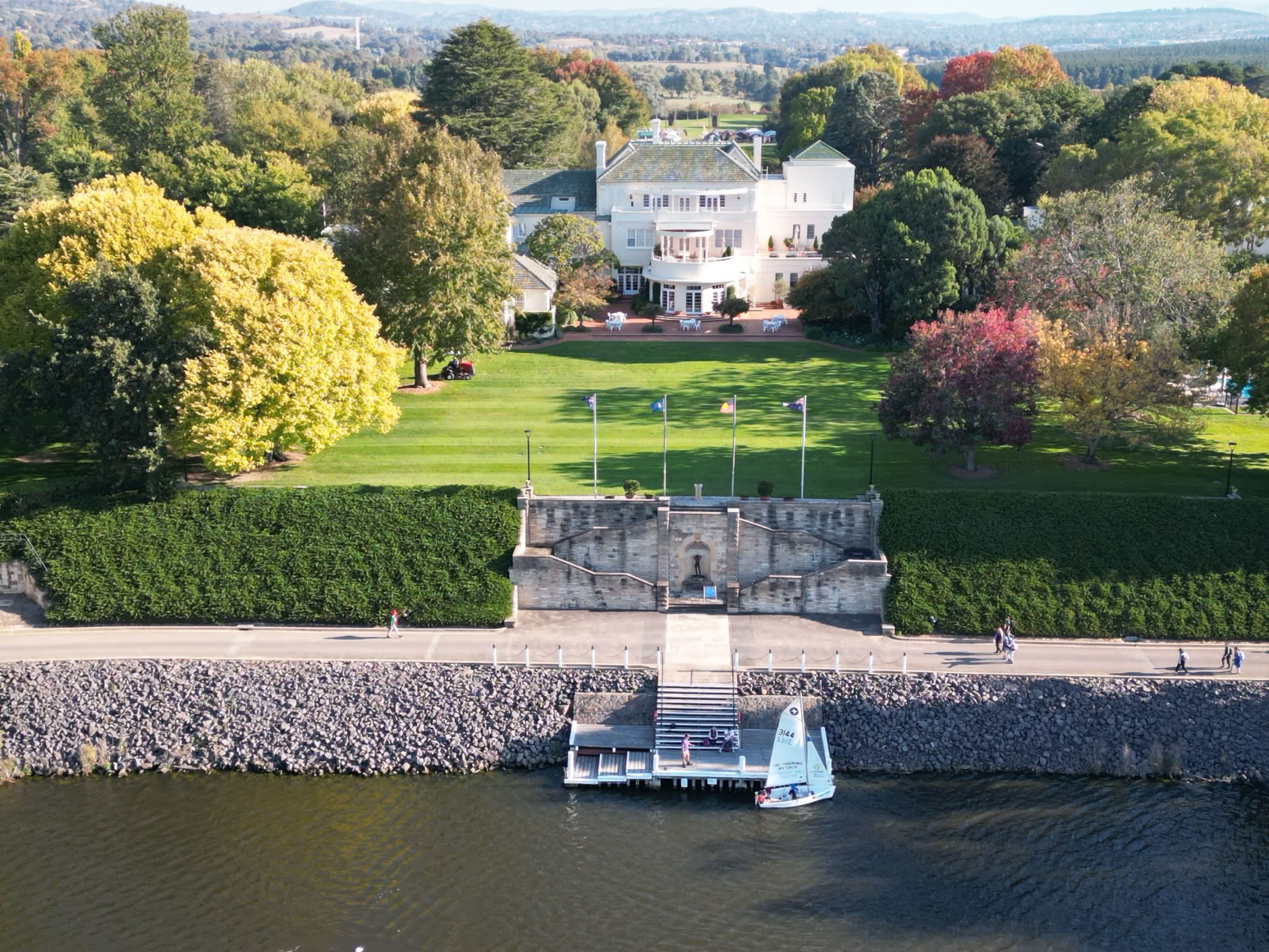
The tiny new family yacht comes with lime green accents that look like the aurora australis, so it’s christened Aurora. The grand master plan: “Boat acquired, name decided, let’s go sailing.” That’s it.
Cue happy snaps, Instagram-worthy family moments, and absolutely no idea that this impulse purchase will spiral into youth programs, health research, and outdoor education conferences.
Episode 2: Sea Scouts: Be Prepared (To Lead 40 Kids)
We flash back five years to where the adventure really begins: Sea Scouts.
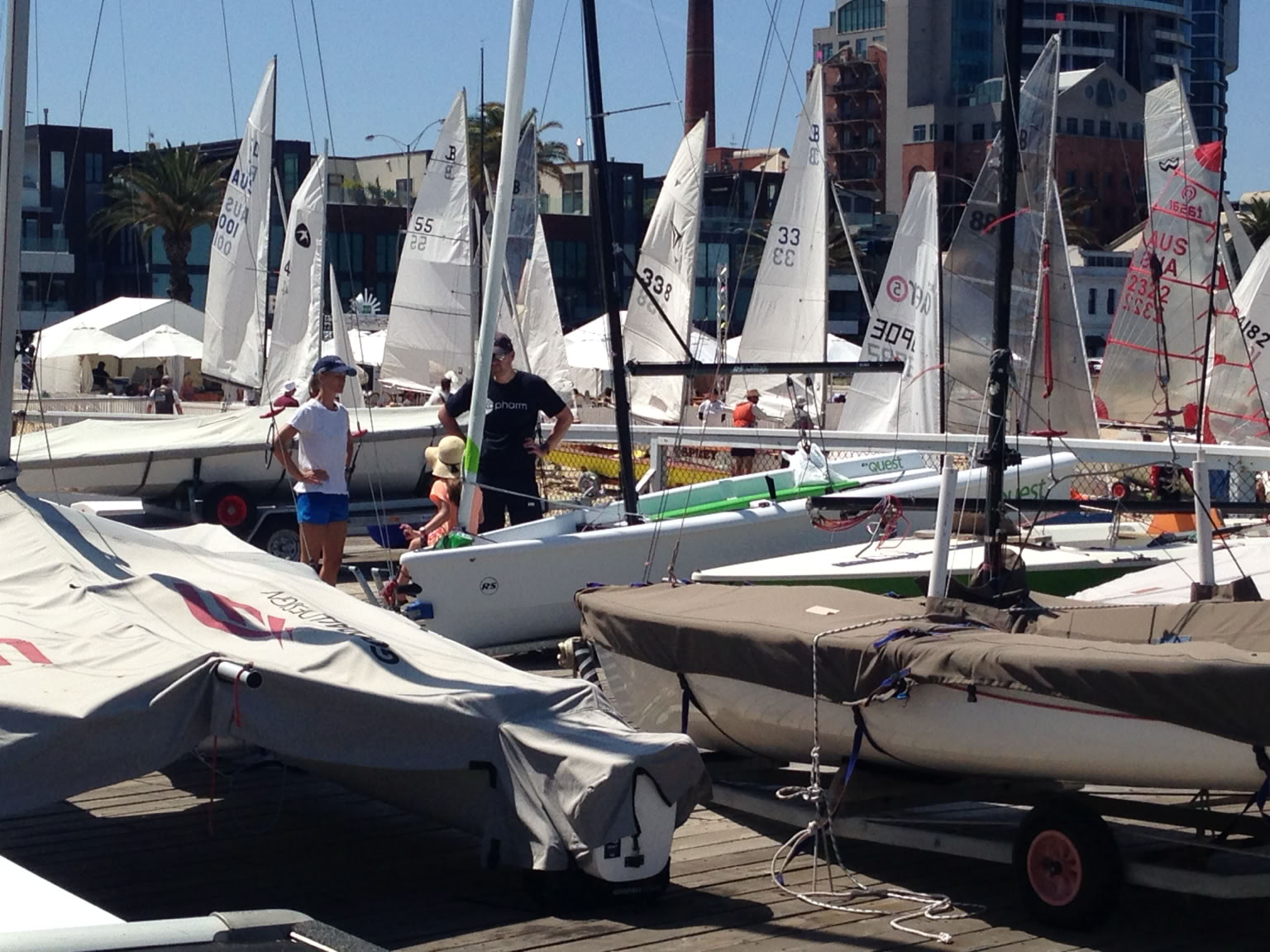
Gregor, a former Scout, drops his daughter Lily at 1st Victorian Sea Scouts wearing his old German uniform. The Group Leader pounces: “How about we get you into an Australian one?” Gregor agrees on one strict condition: he’ll help in the background but will not deal with little kids.
Cut to three weeks later: Gregor is Leader-in-Charge of 30 Cubs at group camp. Their usual rockstar leader is away. Well-trained cubs scout their way out of potential chaos and show Gregor how it’s done.
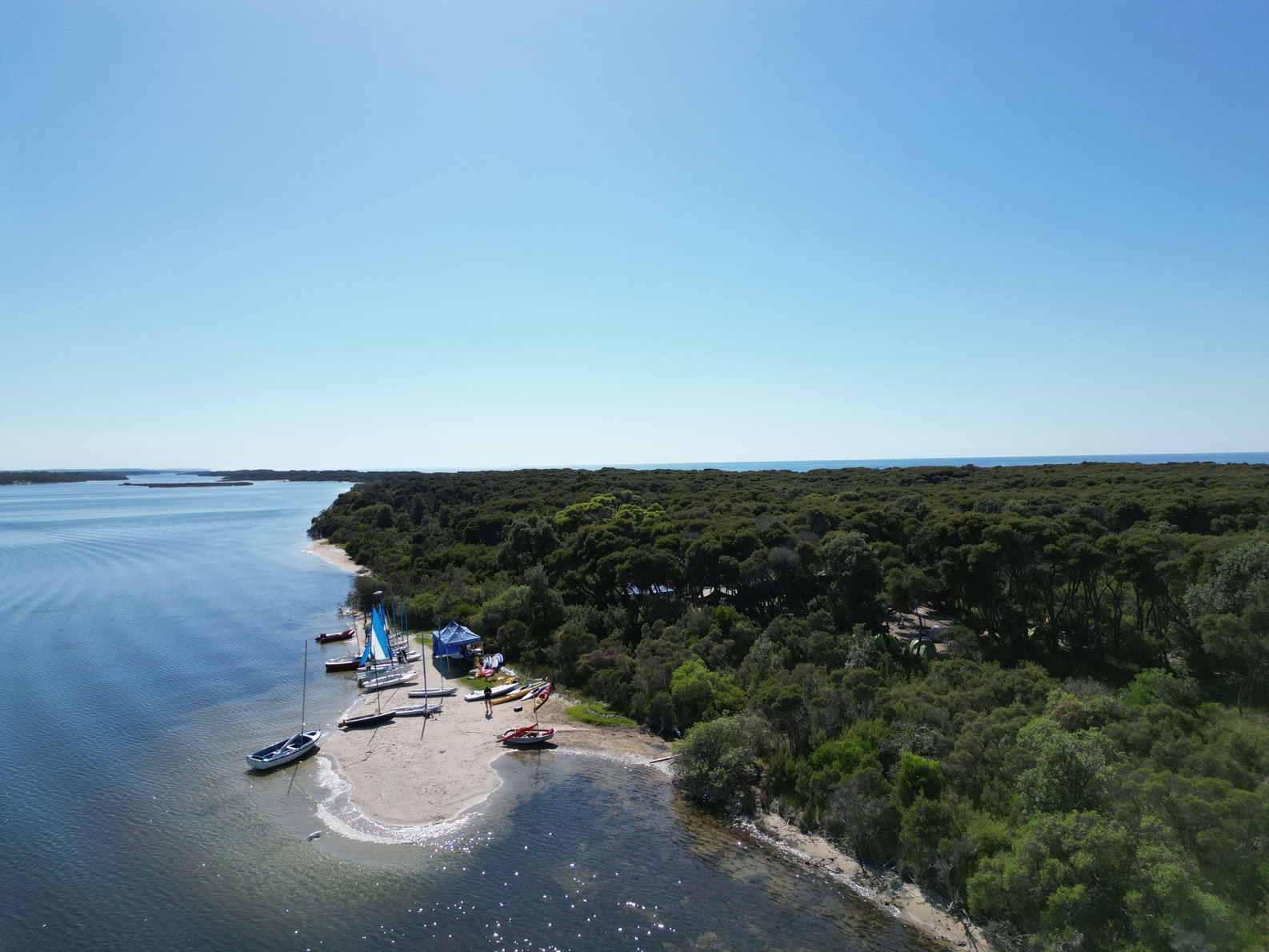
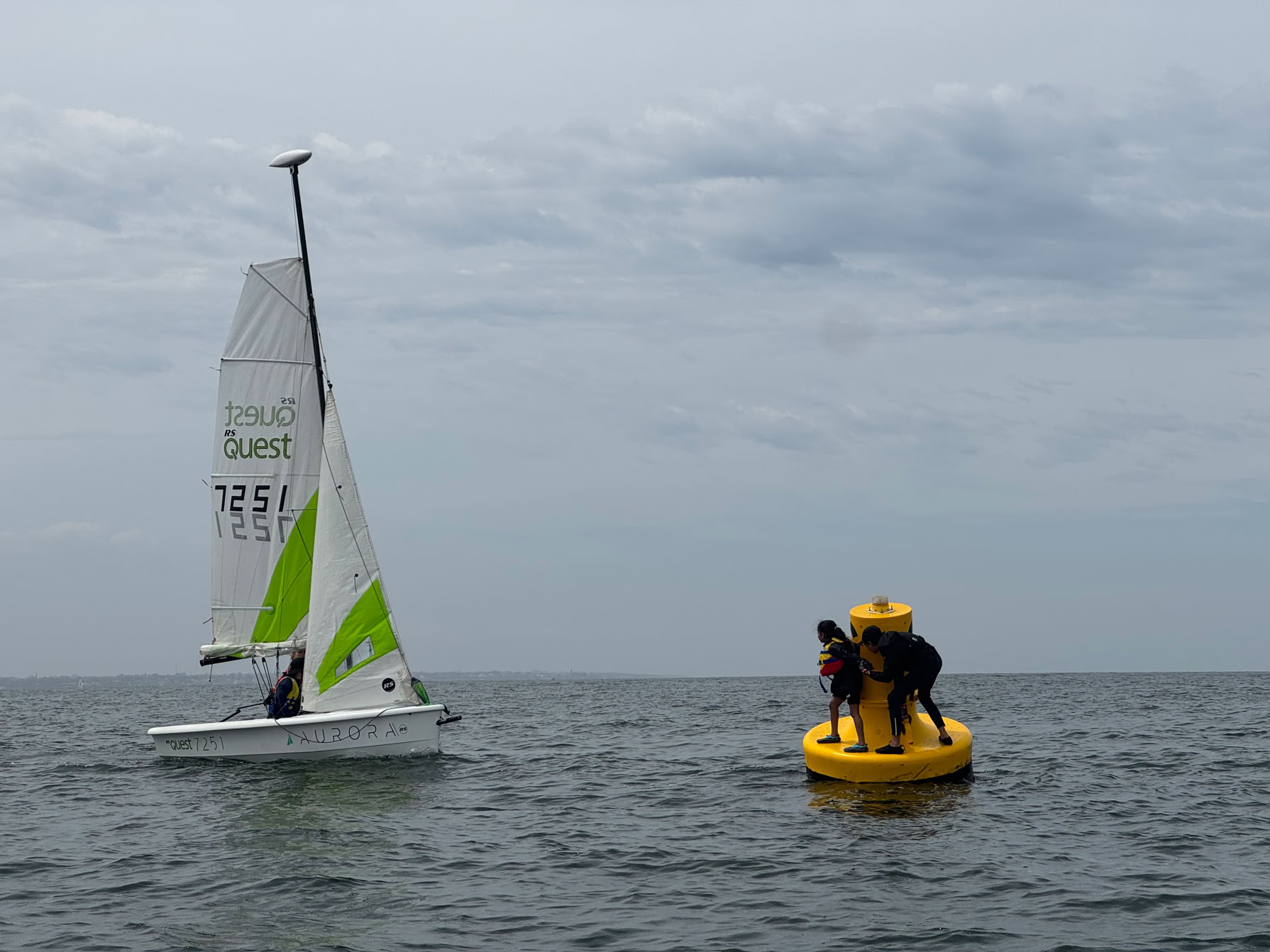
For two years, there’s no sailing—until someone mentions Bunga Arm, a remote campsite on the Gippsland Lakes reachable only by boat. Aurora joins a mini armada of Sea Scout vessels. They borrow a trailer, pack the yacht, and spend a week teaching Scouts to use spinnakers and trapezes.
Flash-forward: five years at 1st Vic later, Gregor is now a fully Gilwell- and Scouts Australia–approved leader. Past Gregor would have sworn someone was high if they’d predicted this. More happy snaps. More “we’re having a great time outdoors” social-media moments. The stage is set.
Episode 3: Port Melbourne Yacht Club: The Accidental Kids Sailing School
Parallel storyline: Port Melbourne Yacht Club.
Lily has had enough of “relaxing family cruises” that always become survival training in big wind and waves. She refuses to sail with her parents.
Gregor and Marit hatch a win–win plan: Lily can do Sailing School while they sneak off to sail together. Tiny flaw: the yacht club’s course is full of adults only—hardly a dream crew for a 7–8-year-old.
Solution? Lily recruits two school friends. On a fateful November morning, three small girls stand on the beach surrounded by 20+ serious-looking adults. The adults sit through theory. The girls are bored within 45 seconds.
Gregor and Marit step in: “Tony, we’ll do something with the girls.”
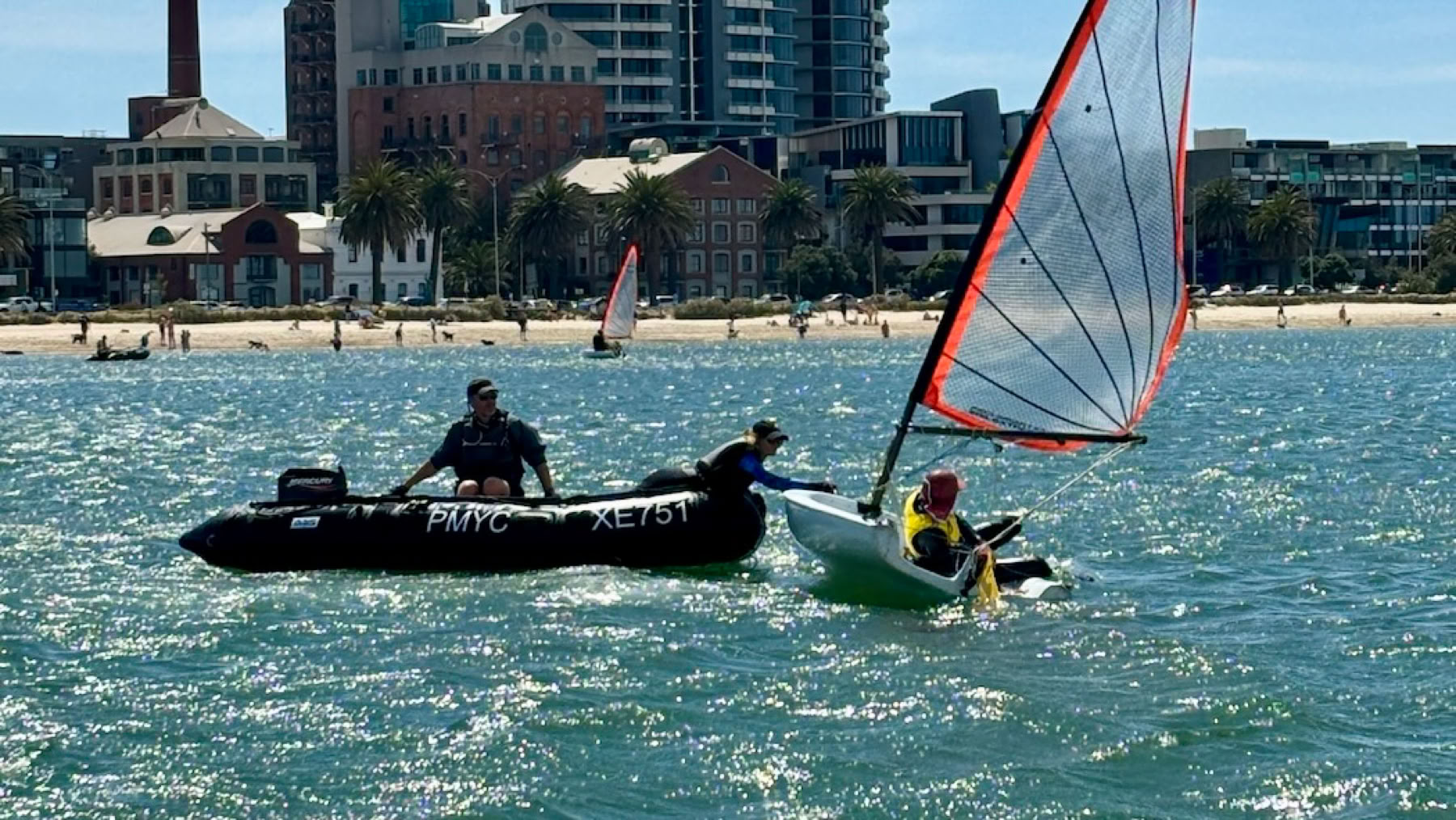
Smash cut to four years later: they’re running a youth sailing program at Port Melbourne. Gregor is not just a parent helper but a certified Australian Sailing instructor. Once again, Past Gregor would have bet money this would never happen.
Another set of Facebook-worthy “kids on boats, parents grinning” photos… but now the scene is fully set.
Episode 4: Stumbling into Sailing for Health
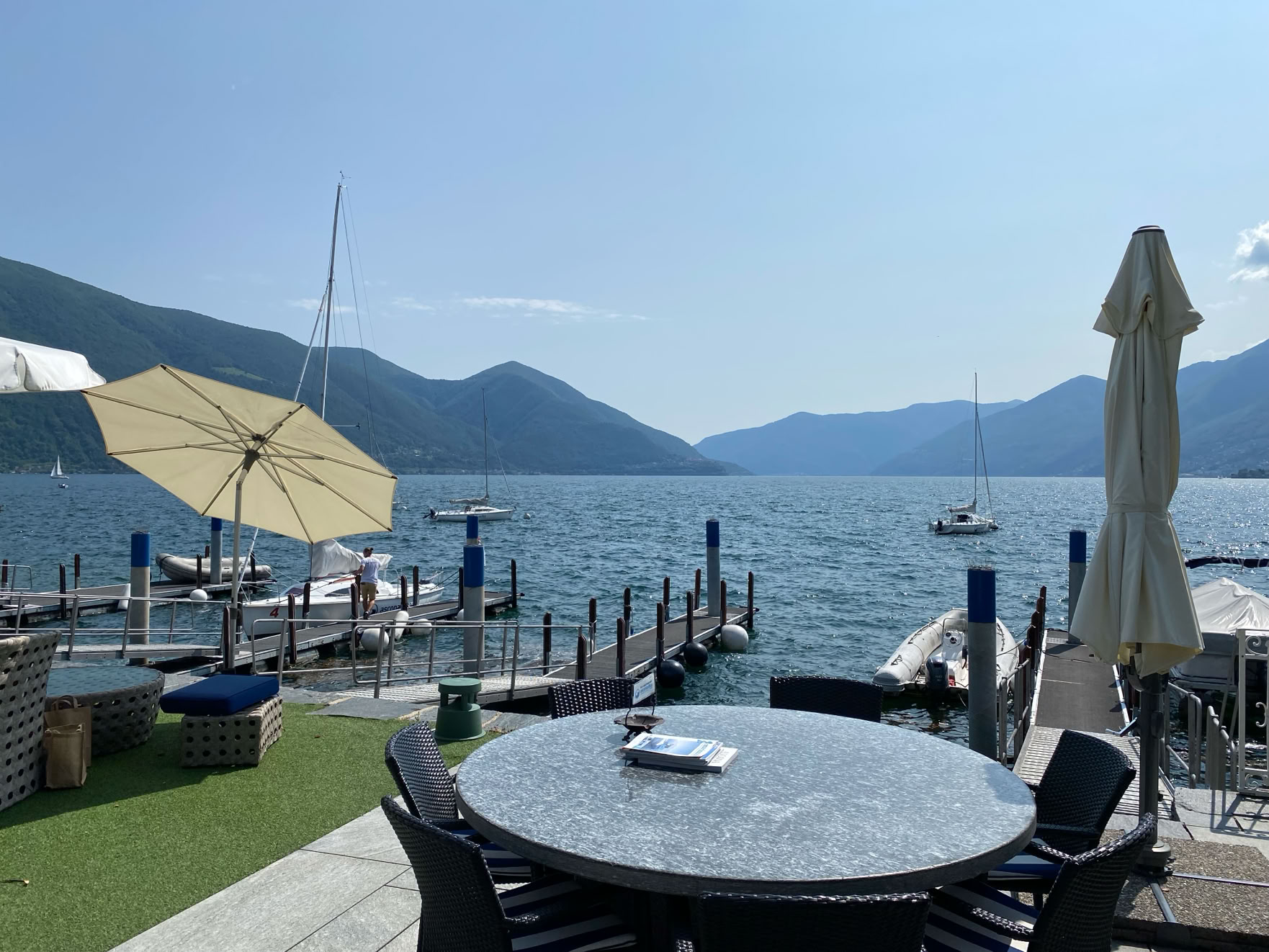
We jump to Switzerland, back to Gregor’s own sailing roots on Lago Maggiore in Ascona. At the legendary Meier “Family Table” outside a fancy hotel, he discovers a stack of sailing magazines and keeps seeing ads with a mysterious name: Leman Hope.
Not the usual gear-or-watch ad—just powerful photos of kids sailing on yachts. Eventually, he finds an article.
Leman Hope runs multi-day sailing adventures for young cancer survivors. Their mission: help young people rebuild confidence, independence, and a sense of belonging after brutal, isolating cancer treatment.
This hits home: the family sails, Scouts, and works in medical/biotech. Gregor emails project captain Priscille, who spends an hour on the phone and connects him with Mark and cancer physician Jochen. They also point him to the UK’s Ellen MacArthur Cancer Trust.
Jochen explains: youth cancer survival is now common; survivors have unique psychosocial needs; suitable interventions don’t really exist.
The Ellen MacArthur Cancer Trust video tells this story beautifully.
A seed is planted: could sailing become a health intervention?
Episode 5: Project Hope
Inspired by Leman Hope and the Ellen MacArthur Cancer Trust, the Lichtfuss family starts sketching a local version: Project Hope – a multi-day sailing adventure for young cancer survivors in Melbourne.
The goal: offer a clinically meaningful experience proven to boost confidence, outlook, social connection, and life skills—basically, a true restart.
They write the concept up (full pitch on their website) and quickly realise the problem: this is too big a project to build in their spare time, which is already overflowing with Scouts and sailing.
Project Hope is parked. But the ideas, contacts, and questions refuse to go away. They simmer quietly in the background.
Episode 6: Governor-General’s Camp: Best Day Ever
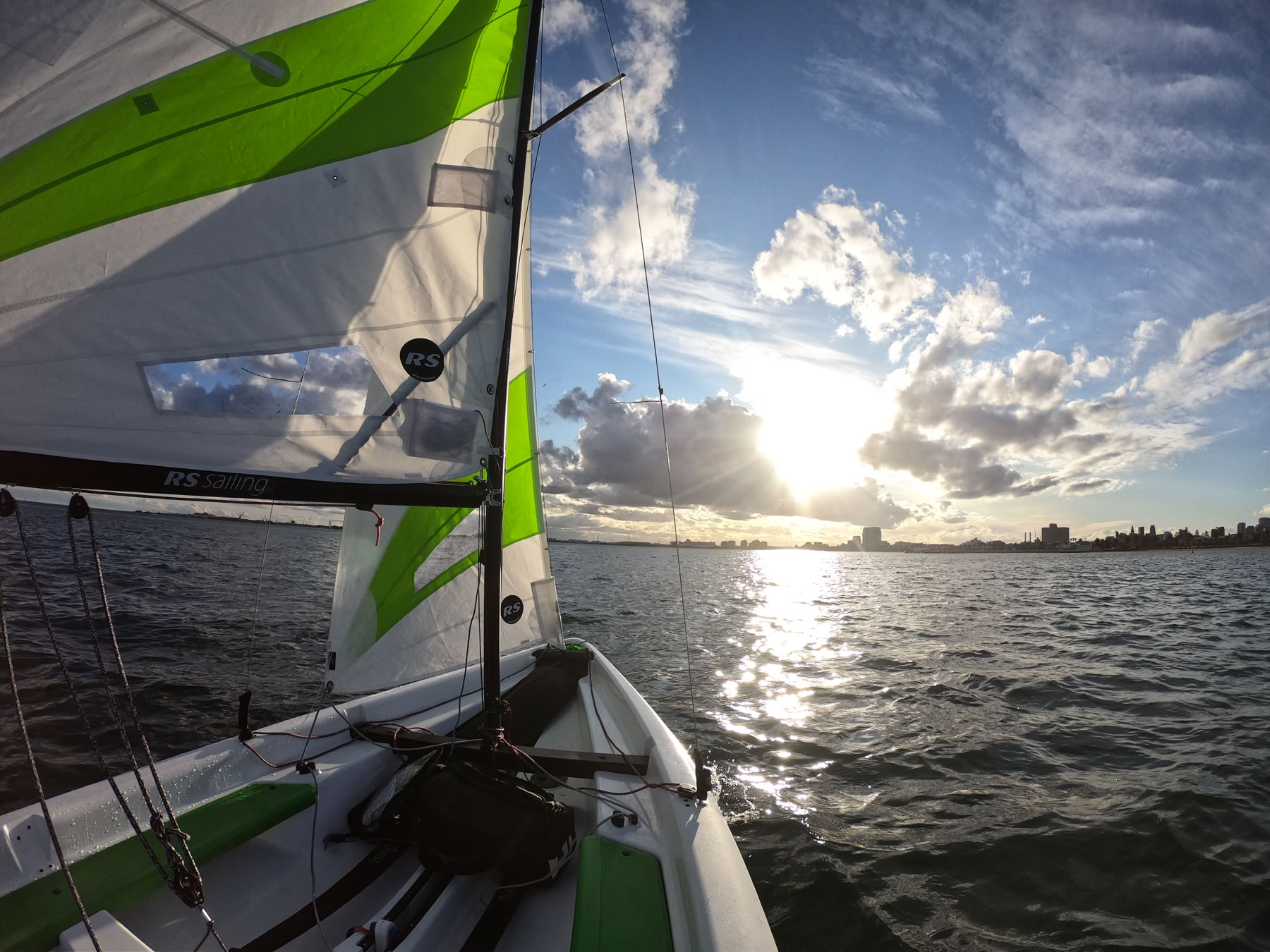
Another Scout sailing opportunity looms: Governor-General’s Camp (aka GG Camp), also known in-house as “Camping on the Governor’s Lawn.”
Gregor joins the GG Camp sailing team and discovers a whole new level of impact. Sailing on the lake in front of Government House is fun—but what really hits home is seeing kids who’ve never been near water taste sailing for the first time.
One participant spends more time capsized than upright. Cold, shivering, pulled into the safety boat, he still manages only one sentence: “Dude, this was the best day of my life!”
Another storyline: a mum writes after camp, asking for a photo of her daughter, Judy, on the sailing boat. Judy had joined 1st Vic alone for the camp from another group. The photo captures Judy’s “most prized moment” and becomes a symbol of teamwork and persistence, proudly displayed on her wall.
For the Aurora crew, this is a turning point: clearly, even a three-hour sail can ripple through a young person’s life—and family—in remarkable ways.
Episode 7: Volatile Funding: Riding the Swell
By now, our protagonists have realised they’re not alone. There’s a small flotilla of organisations using sailing for health and education:
• Leman Hope (Switzerland)
• Ellen MacArthur Cancer Trust (UK)
• Fondazione Tender to Nave Italia (Italy)
• Sailing Lifts Your Spirits and Making Waves Foundation (Australia)
• Tall-ship youth programs like Young Endeavour, Leeuwin Ocean Adventure, and Spirit of Adventure (NZ)
The educational programs are relatively straightforward: “Pay X, your child gets Y - amazing experience and skills.” But the health-focused programs sail into trickier waters: regulations around health claims, the ethics of advertising to vulnerable families, and questions about equitable access.
Most organisations rely heavily on donations and grants—fuel tanks that are emotionally rich but financially volatile. Storytelling and heartwarming anecdotes attract donors, but they don’t provide hard, healthcare-style data on impact.
Gregor, with his health-research brain, starts wondering: could sailing be turned into a reimbursable health intervention? Could organisations one day bill health insurers instead of just passing the hat?
The idea goes on the metaphorical whiteboard.
Episode 8: The Health Insurance Dream
The big question takes centre stage:
Could sailing-based health programs become recognised treatments, reimbursed by health insurers?
To get there, you’d need two things:
1. Clinical efficacy – does it work?
2. Health-economic value – is it worth paying for?
Informally, the answer feels obvious. Parents send emails:
“In just 5 weeks Ivy has transformed her relationship with sailing and being on the water… she has confidence to take on a summer of sailing.”
“Our son has loved every minute… we are really proud of his efforts in particular sailing solo last weekend… He really was so determined.”
Leman Hope and the Ellen MacArthur Cancer Trust share endless participant stories. Jochen, the cancer doctor, sums it up: after years in hospitals, many survivors have almost no self-confidence left; sailing can have a huge effect, especially on those who are most frightened.
But there’s a catch: stories aren’t data. To get insurers on board, someone has to actually measure outcomes.
That thought sits on ice for a while as one of Gregor’s biotech startups demands full attention.
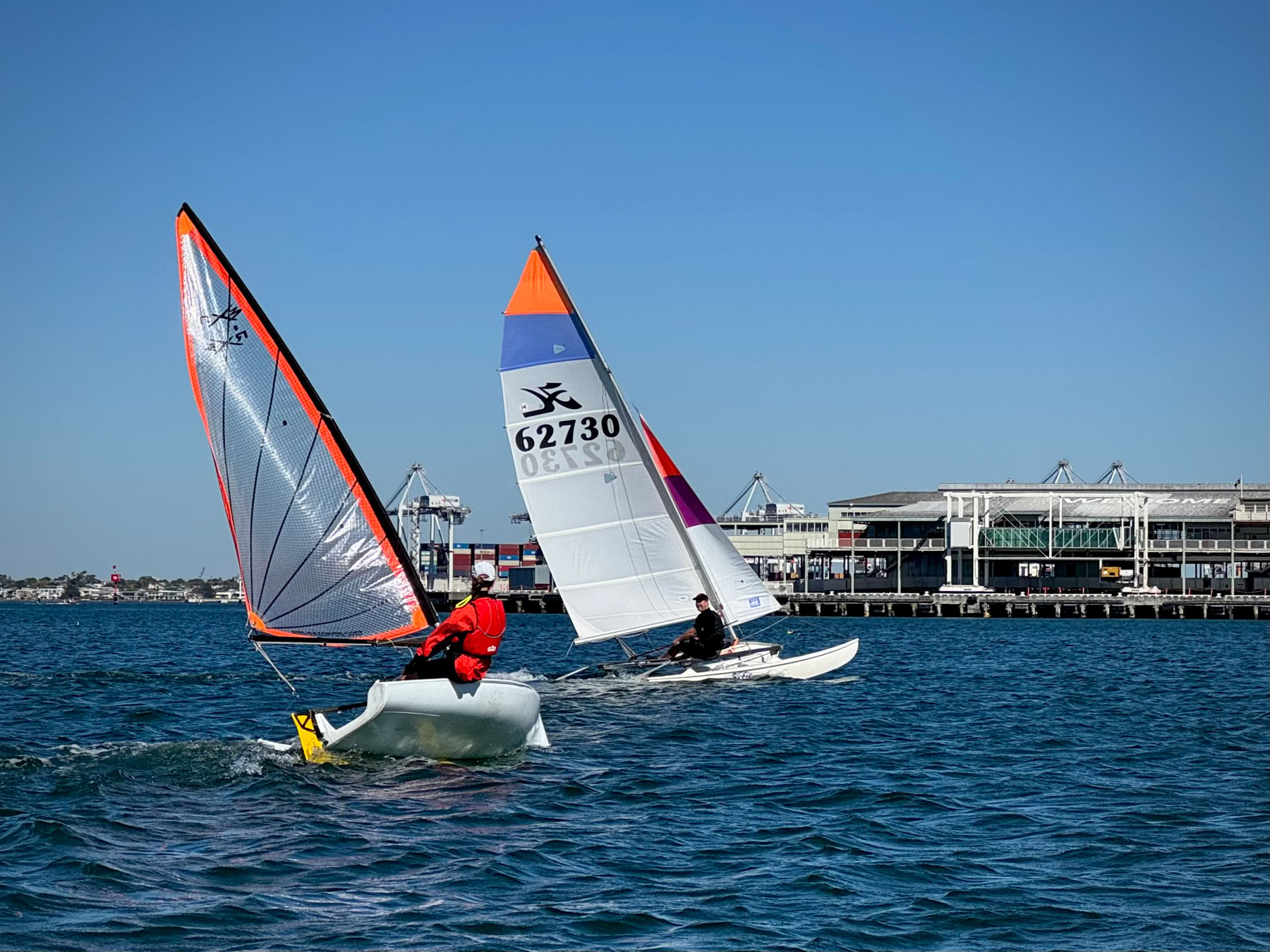
Episode 9: Aurora Meets Academia
Early 2025. Enter Jancy from Swinburne University by text message:
“You always have great ideas. Would you have a good research question our Health Sciences students could work on?”
Gregor, already in “academic supervisor mode” for his biotech startup SHRMP.bio, responds instinctively:
“How many do you need?”
“How many do you have?”
Out of five real-world project ideas, one stands out, directly inspired by Aurora:
Sailing for Health: Does It Work?
A student group in Research Methods for Health Science (HEA20007) signs on. Guided by Jancy and Faith, they take on the deceptively simple question:
Can sailing positively impact health, mental health or well-being of youth and adults?
The race for actual evidence begins.

Episode 10: Proof of Concept?
The students dive into the scientific literature. Surprisingly, they do find relevant research.
Their key findings:
• Self-esteem & self-efficacy
10-day sail-training voyages can boost adolescent self-esteem for months. Dinghy sailing for 9–13-year-olds is perceived to build confidence and competence.
• Mental health & well-being
Dinghy sailing is associated with better mood and well-being. Adventure-therapy sailing programs have improved quality of life and self-esteem in adolescents with cancer and epilepsy.
• Life & social skills
Sail training and dinghy programs foster social, interpersonal, and thinking skills. Being part of a crew builds trust, cooperation, and collaboration.
• Physical health & activity
Sailing is physically active. Programs can encourage positive activity habits and, in some clinical groups (e.g., adolescents with epilepsy), improve physical health post-intervention.
• Possible academic links
Dinghy sailing can connect with maths, geography, and science learning.
They conclude:
“Sailing, in its various forms, offers a unique environment that can foster positive changes in self-esteem, mental and physical health, social skills, and overall well-being for both youth and adults.”
It’s still far from full-blown clinical trial data—but it’s a strong enough signal to ask: is it time for a field study?
Episode 11: Finding Outdoors Victoria
With the student project wrapped and a punchy conclusion in hand, Gregor wonders: where on earth do you present something like this?
He’s used to virology, immunology, biotech, pharma, and startup conferences. But this is… what exactly?
• Youth health? Sort of.
• Public health? Not in a classical epidemiology sense.
• Education? He’s not technically a teacher.
Eventually, he stumbles on a new world: Outdoor Education. It turns out “Outdoor Ed” is a real discipline, you can study it at places like Deakin, and it’s considered its own industry.
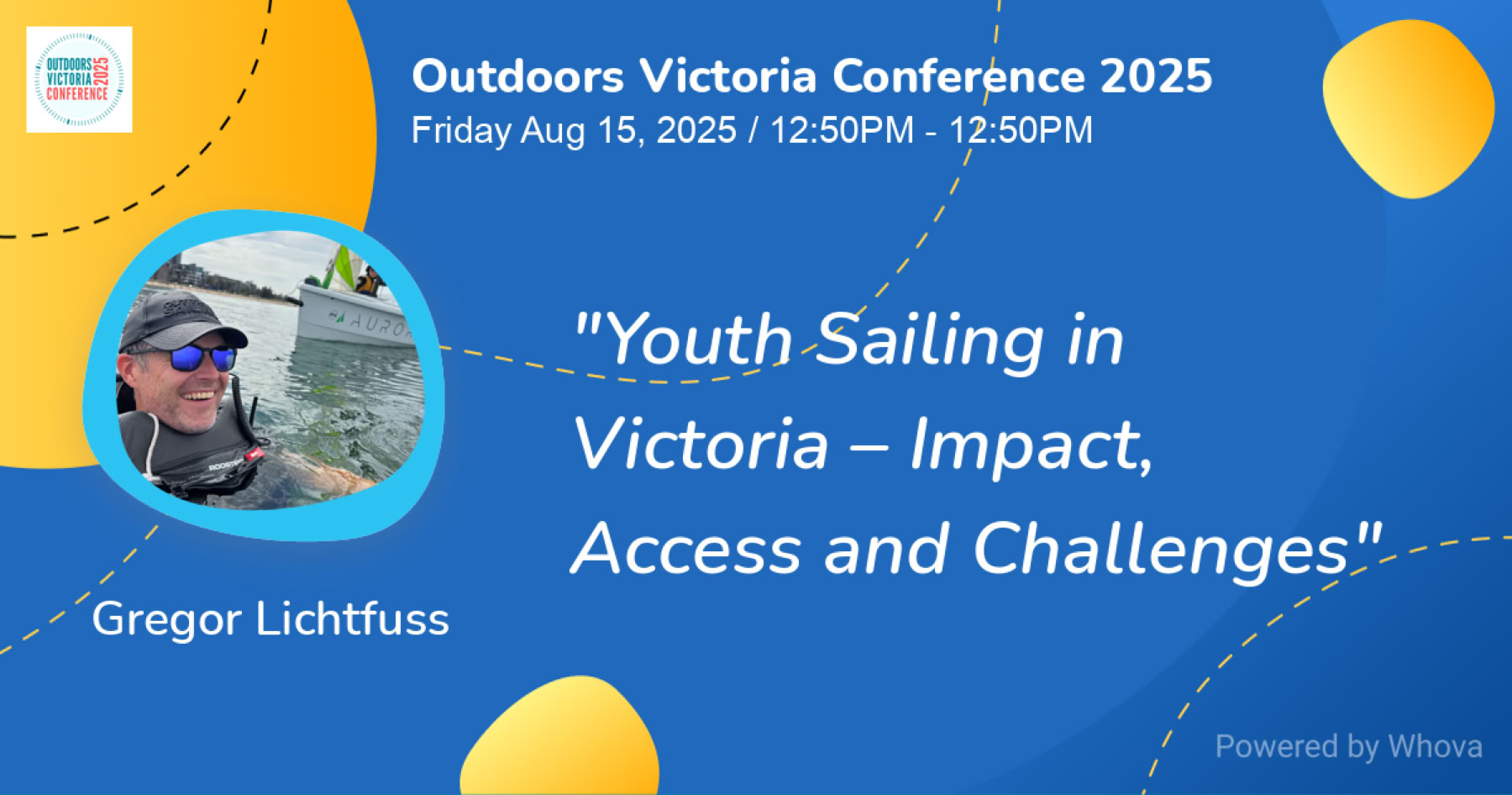
By sheer luck, an abstract deadline for the Outdoors Victoria conference is looming. Aurora submits. The talk is accepted.
On August 15, in a twist Past Gregor would have never believed, he presents at an Outdoor Education conference. The session covers:
• Health impact of youth sailing
• The story of kids who love sailing but not racing (the main path catered for by Australian Sailing)
• The gnarly realities of running grassroots sailing and outdoor programs
The episode ends with Aurora stepping fully into this new space, bridging sailing, health, and outdoor education.
Episode 12 - Part I: "A Seat at the Captain’s Table"
There's a moment in every story where the scattered threads start pulling together.
Aurora's threads have been scattered across a lot of places: a Sydney Harbour drinks, a Sea Scout Group, a kids sailing program at Port Melbourne Yacht Club, a Swiss magazine article about cancer survivors, a Swinburne University research project, an Outdoors Victoria conference presentation.
Individually, each of these felt like a detour. Collectively, they start to take on a direction.
Following the Outdoors Victoria conference in August 2025, Aurora joined the Australian Sailing’s Working Group developing the Participation Plan for Sailing in Australia—a whole-of-sport roadmap setting the course for the next six years and beyond.
The Plan was released publicly yesterday! (24 February 2026). [Link to Press Release]
Reading it feels like watching Aurora's own journey described in the language of national strategy.
The Plan calls for sailing to move beyond its traditional racing heartland and embrace flexible, social, and non-competitive participation. It asks the sport to take sailing to communities rather than waiting for communities to come to it. It highlights the need for evidence, for inclusive entry experiences, for pathways that make sense to people who don't yet know the difference between a trapeze and a tiller. It explicitly recognises that participants who sail for personal reasons—confidence, independence, connection, wellbeing—are “real” sailors, deserving of real programs.
This is the argument Aurora has been quietly making since a small girl refused to sail with grown-ups and three children stood on a beach in Port Melbourne looking confused.
The Working Group—a diverse group of club leaders, coaches, administrators, class representatives, and advocates from across the country—co-designed the Plan over months of consultation and workshops. The result is a unified, evidence-informed direction for a sport that, at its best, genuinely changes lives.
Aurora began as a family boat with lime green trim and no plan whatsoever. It has since become, in its own small way, part of the national conversation about what sailing can be—and who it's for. That conversation is now formally underway.

Episode 12 - Part II: "Shaping the Future of Sailing"
This week, on 24 February 2026, Australian Sailing released the Participation Plan for Sailing in Australia—a national roadmap to grow participation across the sport through to 2032 and beyond. Gregor was part of the Working Group that helped shape it.
Here's what's in it, and why Aurora's story is woven through almost every page.
The Plan is structured around five focus areas, delivered across three horizons: Unite (2026–28), Grow (2028–30), and Advance (2030–32). It aligns with the Australian Sports Commission's national Play Well strategy, which sets the vision that "everyone has a place in sport."
The five focus areas are:
Unify the Entry Experience.
Sailing's entry point needs to be visible, simple, and welcoming. Not everyone finds their way to a yacht club naturally—the sport has to go out and meet them. Programs like Discover Sailing and SailPass are central tools, with digital onboarding and retention resources to help people take their second, third, and tenth steps after their first time on the water.
Enable Flexible Participation.
This is the one closest to Aurora's heart. The Plan explicitly validates social, casual, and non-competitive sailing as genuine participation. Not everyone wants to race. Many of our best young sailors sail for the feeling of independence, or challenge, or belonging—not for trophies. The Plan calls for formats, membership models, and club offerings that reflect this reality.
Build a Connected Sailing Ecosystem.
Clubs, associations, and volunteers need to be better connected to share knowledge, resources, and best practice. A national events calendar, governance training, and a "buddy system" between clubs are among the practical steps.
Strengthen the Club Experience. Clubs are the heart of the sport. The Plan supports them with tools, training, and a national facilities audit to ensure they are welcoming, inclusive, and fit for the communities they serve.
Nationally Consistent Communication.
Sailing needs a united voice that tells diverse stories and shifts the perception that it's an expensive, elite, complicated sport. Participant stories—like the ones Aurora has been telling—are explicitly part of the strategy.
For Aurora, the connection is direct.
The youth sailors in our program who don't necessarily want to race.
The GG Camp scout who capsized four times and called it the best day of his life.
The Swinburne students whose literature review found real evidence for sailing's health impact. The Outdoors Victoria conference presentation that indirectly asked: what does sailing look like when you take the competition out?
All of it also sits inside this Plan.
Australian Sailing invites clubs, associations, volunteers, partners and participants to play their part in delivering it.
And Aurora is looking forward to continuing to be part of it.

Special - SailGP 2025 Edition - "Bring Your Own Boat” (Really? Our Boat?)
Here is a sentence that does not appear in any sensible sailing manual: "Bring your own boat to the SailGP."
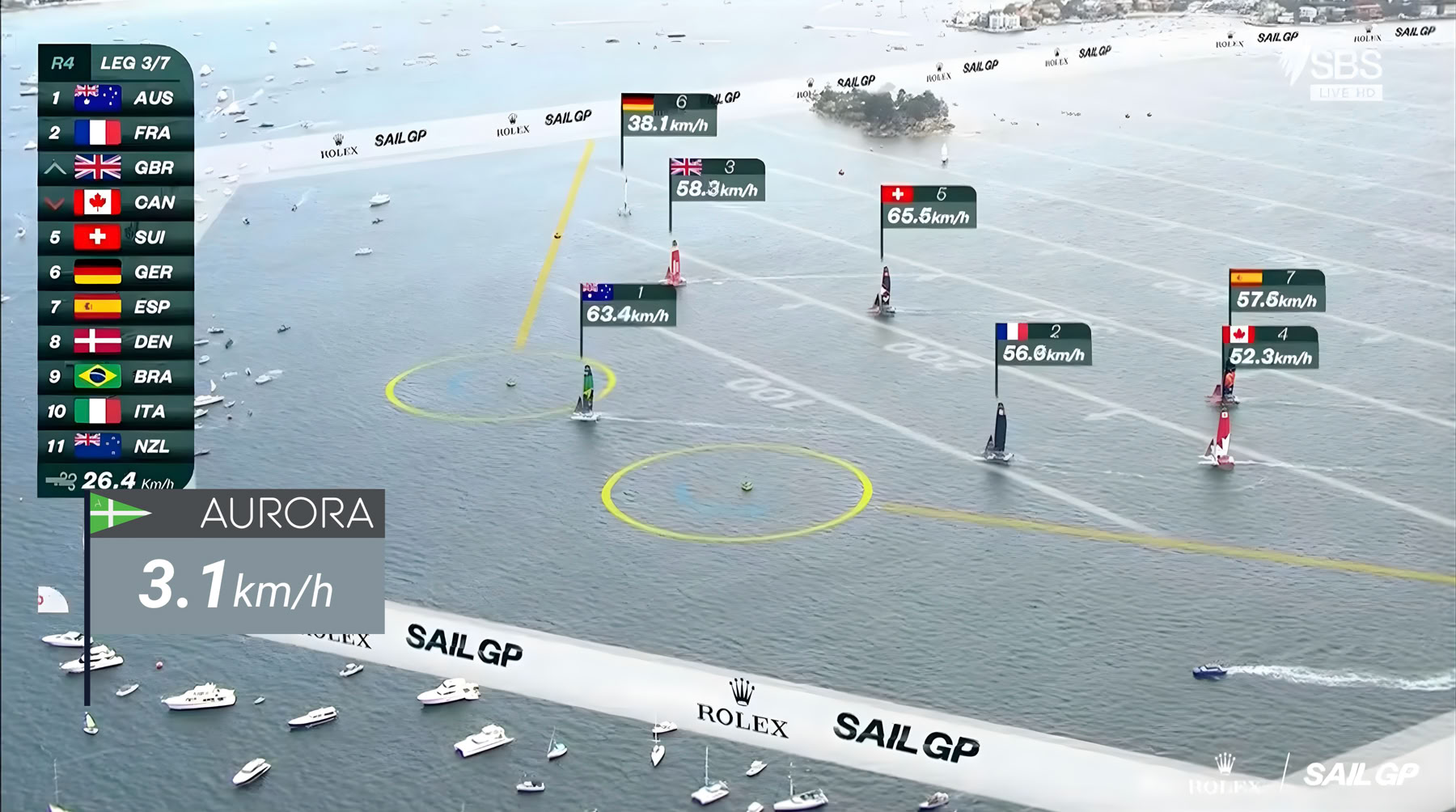
And yet. SailGP — the global racing series featuring the fastest sail-powered boats on the planet, the F50 catamarans that hit speeds of over 50 knots — offers exactly that. A "Bring Your Own Boat" flag. Buy one, attend an online briefing, and you're invited to join the official spectator fleet on Sydney Harbour, anchored inside a restricted zone, watching the world's best sailors do things that physics should probably not allow, from a distance of approximately "close enough to feel the wake."
Aurora is not an F50 catamaran. Aurora is a just five-meter dinghy with lime green accents named after the southern lights. The logic of taking her to watch SailGP is therefore either inspired or completely unhinged, and Team Aurora (in this instance the Lichtfuss family) decided not to ask which.
Step 1: The Logistics
Getting a small yacht from Port Melbourne to Sydney Harbour and back involves, as it turns out, quite a lot of Googling. You need a boat ramp (Rose Bay: concrete, good condition, confirmed via photo reconnaissance). A berth for two nights (Cruising Yacht Club of Australia: found, booked, unexpectedly welcoming to berth our tiny vessel). A hotel connected to the Yacht Club by bus (solved). Free parking for a car with a trailer (also solved, eventual location classified).
You also need to attend a mandatory online briefing, at the end of which you receive a password, which unlocks a form, which gets you a flag in the mail, which gives you access to the restricted zone. This is the sailing equivalent of an escape room, except the prize is watching a boat doing 50 knots past your bow.
The briefing itself turned out to be genuinely fascinating. The technology behind SailGP extends well beyond the boats — the mark buoys on the course are remotely controlled and GPS-guided, capable of autonomously holding position or repositioning between races to reshape the course on the fly. There is an entire colour-coded ecosystem of support vessels: team ribs, superyacht tenders, VIP boats, safety and medical boats, media vessels, and course marshals — all coordinating a precision racing operation on one of the world's most complex working harbours. The Course Marshal who delivered the briefing did so with enough enthusiasm that the weekend was already looking good before Aurora had left the deck.
Step 2: The Test Sail
Friday. Rose Bay ramp. Aurora in the water for the first time on Port Jackson — and immediately into 20 knots of wind. Reef in. Speed up. Absolutely stunning sailing on one of the world's most famous harbours, with a bonus sighting of Team USA's F50 capsizing during practice. (They were subsequently unable to race that weekend. Poor form from the universe, honestly.)
Step 3: The Actual SailGP
Saturday delivered four races, 27 degrees, a northeasterly building through the afternoon. The spectator zone filled with an extraordinary mix — superyachts, VIP tenders, support ribs in team colours, safety boats, media boats, and scattered among them all, one tiny sailing boat - Aurora. The main learning of the day: no amount of sailing on Port Phillip Bay fully prepares you for the sheer volume and size of traffic on Sydney Harbour. The wash from a single passing superyacht was its own small adventure.
What no briefing document can quite convey is that the entry gate for the F50s to the race course runs directly through the spectator fleet. The catamarans came through at speed. Aurora held her position. This is the SailGP version of a front-row concert — you are not watching from the stands.
Chowder Bay was discovered entirely by accident during a break — a calm, sheltered anchorage tucked away from the action, ideal for a swim and a moment of quiet appreciation. It is now firmly on the favourites list. A thunderstorm warning arrived at the end of the afternoon and sent the fleet scattering back across the bay and Aurora sprinting back to CYCA. After seven hours on the water, the crew were not entirely sure they wanted to do it all again on Sunday.
But, Sunday morning, they were back at the marina at 7am, ready to go.
Sunday brought lighter winds, a southerly, three more races, and the F50s coming through the gate again — this time from a slightly better vantage point, with slightly more confidence about what to do when something that large is travelling that fast in your general direction.
Monday: pack up, slip the boat at Rose Bay, long drive home. Aurora is back on the deck in Port Melbourne just before sunset. 90% Logistics, 10% Sailing – immeasurable amount of fun. (Also similar to the SailGP as we learned).
Connecting People
Aurora's story has mostly lived at the other end of the sailing spectrum — small boats, beginner programs, Scout trips, kids who'd never been near the water before. That's where the health research lives, where the argument for sailing-as-wellbeing-intervention has been quietly building, where a teenager who capsized four times at GG Camp called it the best day of his life.
But it turns out the same pull exists at every level. A tiny family dinghy on Sydney Harbour, manoeuvring through the spectator zone while 50-foot foiling catamarans scream past, is still just people on the water — doing something that is difficult to fully explain to someone who hasn't tried it.
SailGP's Bring Your Own Boat program is, on reflection, one of the best ideas in modern sport. A direct, deliberate bridge between the elite and the everyday. A signal that this sport, from Tackers in Optis to world-class athletes in F50s, can belong to everyone on the water.

Episode 13: Field Study on the Horizon?
We return to the central question:
Can sailing positively impact health, mental health or well-being of youth and adults?
The answer from Semester 1 is a tentative yes, based on existing evidence. The next step: design a real-world field project.
The students sketch an outline for a small, feasible first study. Then they “pass the tiller extension” to a new crew: third-year Health Science students at Swinburne, led by Greg (Davies), who will take the concept forward as an HEA30001 Health Science Project in Semester 2, 2025.
The season closes on a classic TV-style tease:
Aurora is now not just a family boat or a Scout taxi.
It’s quietly becoming a floating laboratory for youth development and health. The next chapter of Aurora’s story is still to be written.
End of Season 1.
Aurora sails on.
Bonus: The Wayfinder for Youth Sailing in Victoria
Are you interested in sailing or know young people who might be?
Check out our “Wayfinder.”
There are many ways to sail in Australia—cost-effective, non-competitive, and diverse. We created the Wayfinder for a conference because we have a passionate group of young sailors that isn’t interested in traditional competitive racing. Each of them sails for personal reasons, such as action, confidence, independence, enjoying 'me time,' or socialising. Some have become more skilled sailors than we are. This experience led us to explore various sailing options and opportunities in Victoria.
The Wayfinder is part of our efforts to guide these young sailors (and ourselves) toward their next steps, and it was adapted from our Outdoors Victoria 2025 conference presentation.